RV Fire & Gas Detection
Stay safe on every journey with RV Fire & Gas Detection Systems built for mobile protection
RV Fire and Gas Detection Systems provide essential protection from gas leaks, smoke, and onboard fires. Whether you’re full-timing or weekend camping, having a reliable fire and gas detection system helps protect your family, vehicle, and belongings from costly or life-threatening hazards.
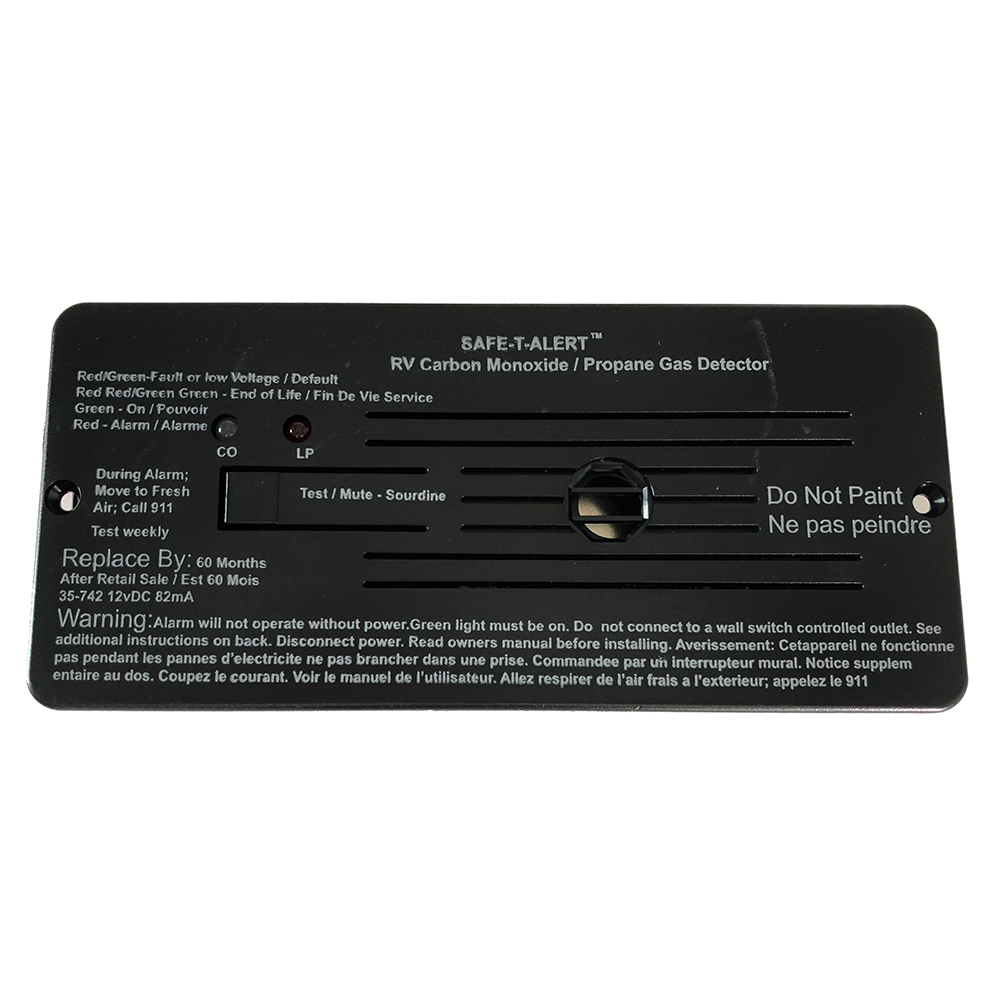
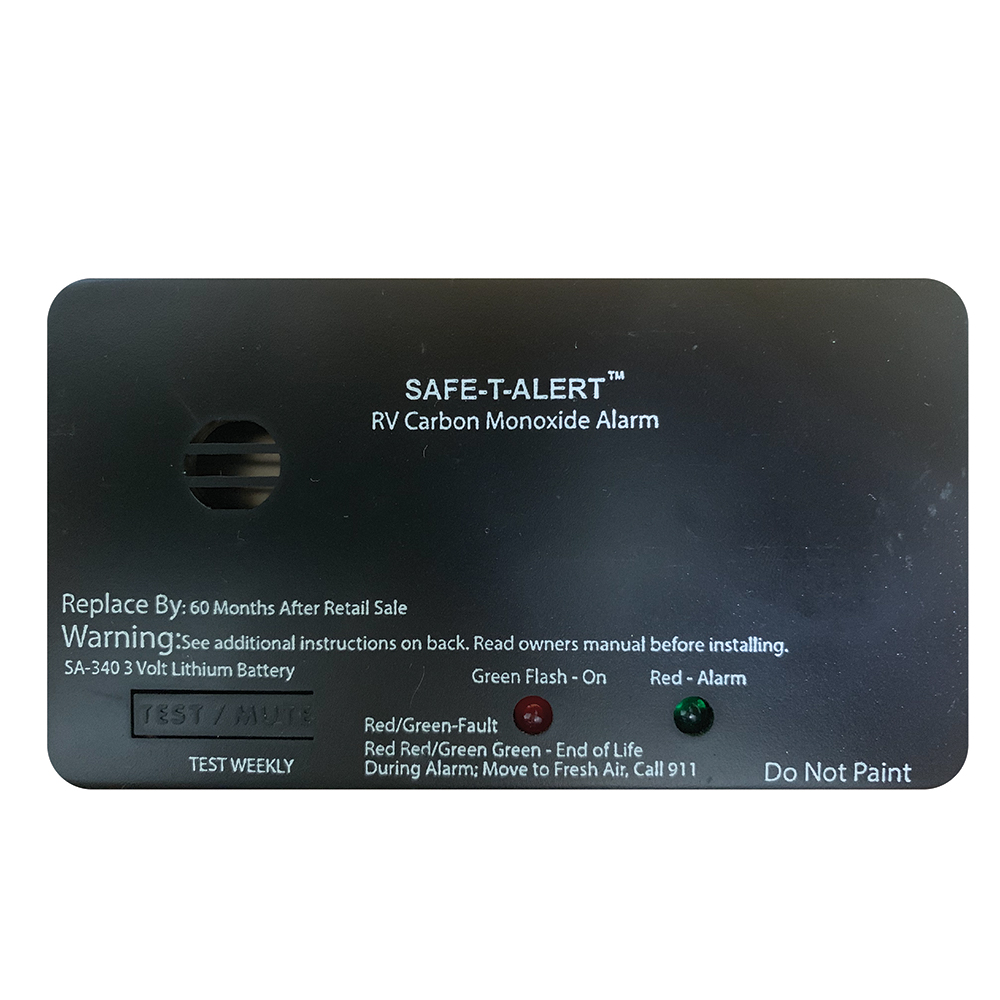
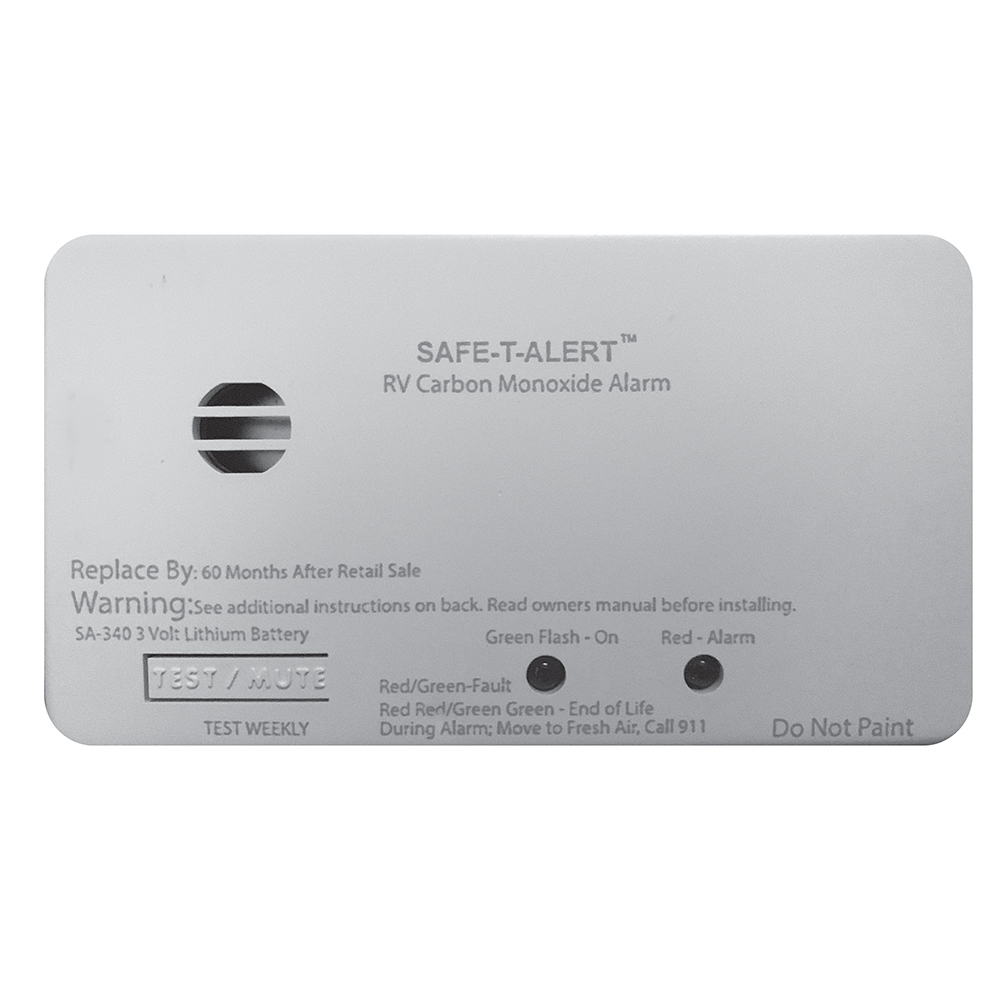
At The Outdoor Warehouse, we carry trusted brands like Safe-T-Alert, MTI Industries, and Fireboy-Xintex — delivering UL-listed, RVIA-compliant safety solutions including gas leak detectors, fire suppression systems, and combination alarms.
Why Upgrade Your RV Fire & Gas Detection System?
- 24/7 Monitoring: Detects propane leaks, carbon monoxide buildup, and heat rise automatically.
- Automatic Suppression: Extinguishes engine or cabin fires instantly using clean agent technology.
- Dual Sensor Alarms: Combines smoke and gas detection into one integrated system.
- RVIA & NFPA Compliant: Meets or exceeds safety requirements for recreational vehicles.
- Simple Maintenance: Visual alerts and test functions make inspection fast and easy.
Compare Fire & Gas Detection Systems
| System Type | Monitors | Best For | Key Features |
|---|---|---|---|
| Smoke Alarm | Smoke / Fire | General RV cabins & sleeping areas | Photoelectric sensor, loud 85dB alarm, battery backup |
| Propane / Gas Detector | LP / Propane / Butane | Kitchen, galley, near gas appliances | Hardwired 12V, continuous monitoring, auto reset |
| CO Detector | Carbon Monoxide | Sleeping quarters, generator area | Electrochemical sensor, 5–7 year lifespan, alarm memory |
| Fire Suppression System | Engine bay / enclosed areas | Class A, B, & C motorhomes | Automatic discharge, no residue, self-contained cylinder |
How RV Fire & Gas Detection Works
Propane and CO detectors continuously monitor air for combustible or toxic gases and trigger an alarm when levels exceed safe limits. Automatic fire suppression systems use temperature sensors to release extinguishing agents before flames can spread, protecting engines and living spaces.
Tip: Regularly test and replace detector units every 5–7 years, and inspect fire suppression cylinders annually for charge and corrosion.
Reminder
Inspect wiring and alarm indicators monthly. Always replace expired detectors and suppression cylinders before your next trip to ensure full functionality.
Frequently Asked Questions
Why Buy RV Fire & Gas Detection Systems from The Outdoor Warehouse?
- Comprehensive selection of RV fire alarms, propane detectors, and suppression systems.
- Meets RVIA, UL, and NFPA standards for recreational vehicles.
- Expert customer support for choosing compatible models.
- Fast shipping and trusted brands used by RV service centers.
Shop RV Fire & Gas Detection Systems at The Outdoor Warehouse — advanced safety for every mile of your journey.